

From buy-and-hold investing and opening range breakouts to post-earnings momentum, options trading, and proprietary trading firms, there are countless ways to approach financial markets. However, no strategy guarantees profitability, and choosing the right approach depends on your experience, financial goals, and risk tolerance. In this guide, we’ll explore eight popular trading strategies, their advantages and disadvantages, and why education, risk management, and trading psychology are ultimately more important than finding the perfect setup.

Most traders lose money… Yeah, yeah yeah… I know.
You’ve probably heard that statement about a million times already. It’s practically impossible to read about day trading without somebody reminding you that the overwhelming majority of retail traders lose their hard-earned money.
And frankly, it’s an exhausting fact, despite it being the truth.
However, the takeaway should NOT be that financial markets are completely random or that making money day trading is impossible… It’s that most people simply aren’t approaching trading correctly.
They’re undereducated, underprepared, overleveraged, and desperately searching for a trading strategy that will magically turn a few hundred dollars into financial independence.
Unfortunately, that’s not how this works.
The reality is that becoming a consistently profitable trader takes years of education, experience, experimentation, and psychological development.
Realistically, I think new traders should give themselves at least two or three years to develop their knowledge and skills before even expecting consistent profitability.
Read Jack D. Schwager’s Market Wizards books and you’ll discover that even some of the world’s most accomplished traders spent five, ten, or more years experimenting, losing money, and figuring out what worked for them.

By Jack D. Schwager
Paid link. Price may vary.
Which brings us to an important point about the trading strategies we’re going to explore below:
None of them are guaranteed to make you money any time soon.
In fact, I would argue that the specific strategy you choose matters considerably less than most beginners realize.
After all, a mediocre strategy executed consistently with disciplined risk management can potentially outperform an excellent strategy executed by somebody who constantly overtrades, chases entries, and ignores stop losses.
That’s why it’s important to understand the stock market, the bigger macroeconomic picture, and yourself inside and out, before attempting to trade with real money.
Below, we’ll explore different approaches beginners traders should understand, ranging from long-term investing to short-term momentum trading, options, and proprietary trading firms.
Amazon Affiliate Link
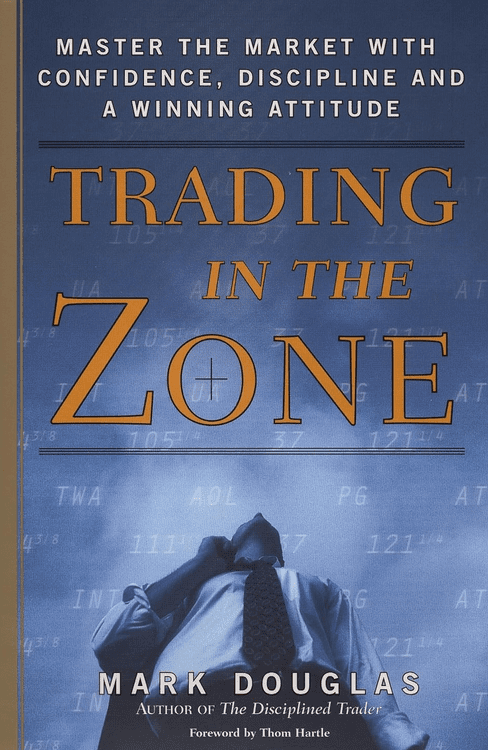
Want to Read Trading in the Zone?
If you want to read Mark Douglas’s Trading in the Zone for yourself, you can check the current listing on Amazon. Copies are currently listed for as low as $23.00.
Check Price on Amazon →This link takes you to Amazon. As an Amazon Associate, I may earn a commission from qualifying purchases at no additional cost to you. Prices can change at any time.
#1 – The Best Trading Strategy for Beginners
Okay, technically, this isn’t a trading strategy. But if you’re brand-new to financial markets, I would argue it’s the single most important thing you should be focusing on.
Forget about making money for a minute. Learn how the damn market works first. Seriously!
There are people opening brokerage accounts, depositing their life savings, and buying stocks without understanding the difference between revenue and net income.
They don’t know what market capitalization means. They don’t understand interest rates, corporate valuations, or why a company can report record-breaking earnings and still collapse -20%.
Yet they’re somehow expecting to compete against professional traders, hedge funds, and institutional investors. That’s an ambitious proposition, no matter how you slice it!
Before worrying about which technical indicator produces the most profitable entry signals, spend some time developing your financial education. Read trading and investing books. Take courses. Study accounting, business, economics, and politics.
The fact is that you cannot fully understand financial markets by staring at candlestick charts.
Technical analysis is useful. I use it extensively when evaluating my own trading setups.
But charts only tell part of the story.
My recommendation: Spend your first several months learning, observing, and practicing. Develop a trading journal, document your decisions, and measure your results before committing meaningful capital.


#2 – Buy and Hold: The Best Strategy for Most Investors
Here’s something that probably won’t earn me any popularity points among the day trading crowd. For most people, buying quality investments and holding them for years is probably a better financial decision than actively trading stocks.
I know. Boring, right… But hear me out… The basic concept behind buy-and-hold investing is incredibly straightforward. You purchase shares of financially sound businesses and allow those companies to generate value over time.
As businesses grow their revenue, earnings, cash flow, and competitive advantages, their shares may become more valuable. And as a shareholder, that’s often THE BEST WAY TO MAKE MONEY!
Buy & Hold Investing: Pros vs. Cons
✓ Pros
- Long-term compound growth
- Minimal active management
- Lower trading costs
- Potential dividend income
- Easy diversification with ETFs
- Potential tax advantages
✕ Cons
- Exposure to market crashes
- Individual companies can fail
- Requires years of patience
- No automatic downside protection
- Potential opportunity costs
- Returns are never guaranteed
Some companies also distribute a portion of their earnings to shareholders through dividends. Others reinvest profits into research, acquisitions, infrastructure, and other initiatives to generate future growth.
And when those investments succeed, shareholders can benefit from the resulting appreciation.
Consider companies like NVIDIA, Microsoft, Apple, and Amazon… These companies are market leaders and at least in my opinion, they aren’t going anywhere any time soon.
They’ll continue making money for many years to come thanks to the power of compound growth, which is one of the most compelling arguments for long-term investing.

The other major advantage of buy-and-hold investing is that you don’t necessarily need to identify individual winning stocks. You can simply purchase exchange-traded funds (ETFs) that provide exposure to an entire market index.
These funds provide diversification across multiple businesses, reducing the company-specific risks associated with owning just one or two stocks.
Unlike day trading, long-term investing generally doesn’t require monitoring charts throughout the trading session, rapidly executing orders, or trying to predict what a stock will do over the next fifteen minutes.
And that’s a tremendous advantage.
My recommendation: For beginners primarily interested in building long-term wealth, diversified buy-and-hold investing deserves serious consideration before attempting more speculative strategies.
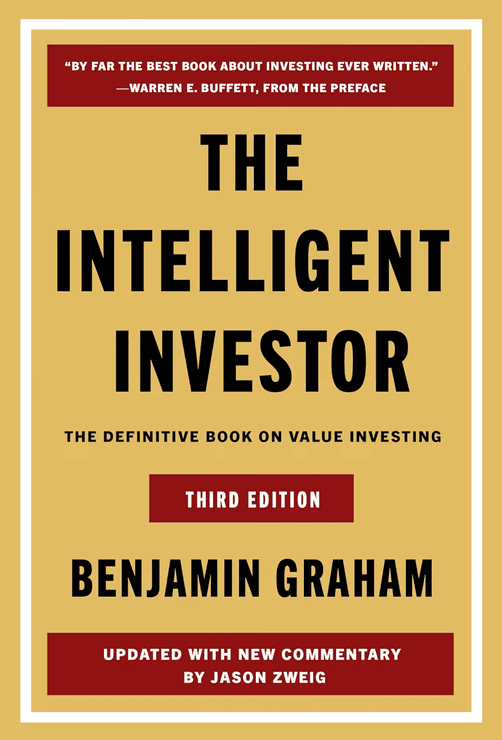
Benjamin Graham & Jason Zweig
$13.94 Listed price#3 – Long and Short Post-Earnings Momentum
Now we’re getting into the fun stuff! If you’ve spent any time reading Paper Trading Journal, you’ve probably noticed that I spend an almost ridiculous amount of time studying post-earnings momentum.
That’s because Post-Earnings Momentum (PEM) is my personal favorite short-term trading strategy.
The basic premise is surprisingly simple:
A publicly traded company reports quarterly earnings, the stock moves up or down by more than 5%, I trade it in the direction of the initial 1-hour move.
Below, is a recent example from Block Inc (XYZ), which reported earnings and moved about 5.2% higher in a single hour. Based on a long entry at the close of the hourly earnings candle, this setup produced a +9.54% EOD gain by the close of the next trading session.

Similarly, we’ve documented plenty of short setups, where the stock sells off by more than -5% in a single hour, which can also lead to strong continuation moves the next day.
For example, Intel (INTC) reported earnings and sold of by nearly -17% in a single hour. From that price, the stock then continued moving another +17.55% lower in the same direction as the initial earnings reaction.

The Problem With PEM Trading
These stock setups can be extraordinarily volatile. A stock that initially surges 15% can reverse and finish substantially lower. Conversely, a stock that collapses following earnings can experience an aggressive buying pressure the next day.
In fact, I’ve documented plenty of examples where seemingly excellent PEM setups failed spectacularly.
For example, take a look at the Affirm (AFRM) chart below. The setup actually worked initially, producing a favorable move of nearly 8% above the close of the hourly earnings candle.
However, after producing that +8% move, the stock formed a shooting star candle, broke below the 9 EMA, and sold off throughout the remainder of the trading session.

PEM trading can be profitable, but because of the heightened volatility that follows an earnings report, I don’t consider PEM an ideal first strategy for somebody who has never traded before.
My recommendation: Study PEM setups on paper before trading them with real capital. Learn the difference between favorable momentum, temporary volatility, and a genuine reversal.
#4 – Opening Range Breakouts
Opening range breakout trading, commonly abbreviated ORB, is another popular short-term trading strategy. And one of its biggest advantages is that opportunities can appear practically every trading day.
Unlike PEM trading, opening range trading focuses on price action immediately following the stock market’s opening bell.
During the first several minutes, traders observe the highest and lowest prices reached by a particular stock or index, which can be observed on a 5, 15, or 30 minute chart, to establish an opening range.

That gives us two important reference levels.
Then, if the stock subsequently breaks above the highest ORB price, a trader might go long. Alternatively, if it falls below the lowest ORB price, the breakdown could signal bearish momentum.
The theory is that once price escapes its initial trading range, buyers or sellers may continue pushing it in the direction of the breakout.
Simple enough, right?
Like other trading strategies, the biggest issue with ORB trading is that not every opening range breakout leads to a sustained trend.
That’s why I wouldn’t recommend blindly buying every stock that breaks above its first fifteen-minute high. Recent price action, volume profile, and broader market action can all impact whether an ORB breakout is real or not.
My recommendation: Beginners interested in intraday trading can use ORB as a structured paper-trading exercise. Choose one opening-range duration, define entry and exit rules, and track enough trades to evaluate the strategy across different market conditions.
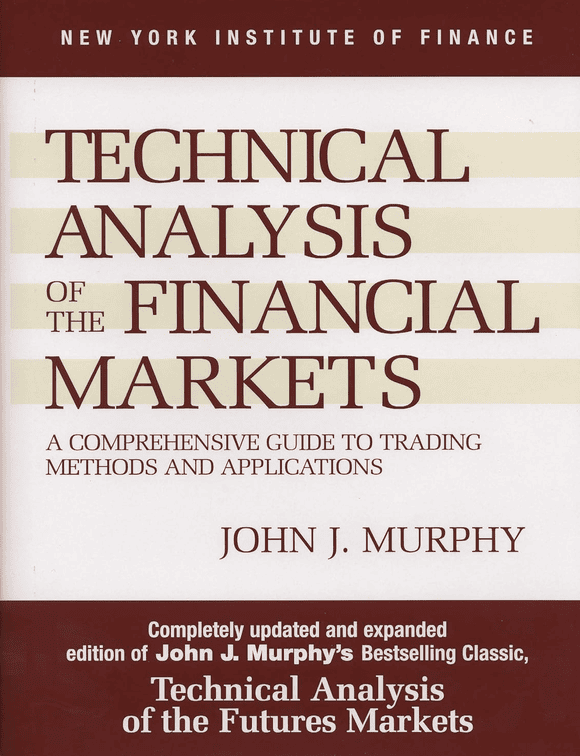
Learn the Fundamentals of Technical Analysis
John J. Murphy’s Technical Analysis of the Financial Markets covers charts, trends, indicators, candlesticks, intermarket relationships, and other core technical analysis concepts.
Price: $34.27–$35.50
View on Amazon →#5 – Breakout and Breakdown Trading
Breakout trading is closely related to opening range trading, but it isn’t restricted to the first few minutes of the trading session. Instead, traders look for stocks breaking through established technical levels.
A bullish breakout occurs when a stock moves above a meaningful resistance level. Meanwhile, a bearish breakdown occurs when a stock falls below an established support level.
These levels might come from previous trading highs and lows, consolidation ranges, trendlines, or patterns across multiple timeframes.

One of the reasons I find breakout trading particularly useful is that it can help identify meaningful changes in market sentiment. A stock that breaks through several months of support following a strong earnings report may be entering an entirely different pricing environment.
This is also why I incorporate technical breakout analysis into my PEM research.
I routinely examine the hourly, four-hour, and daily charts to determine whether an earnings catalyst has pushed a stock beyond important technical levels.
As with anything, no breakout is 100% certain and fake-outs are exceptionally common. That’s why proper position sizing, risk management, and a solid understanding of stock market mechanics.
My recommendation: Learn to identify support, resistance, volume confirmation, and failed breakouts before trading them. Most importantly, determine where your trading thesis becomes invalid before entering a position.
#6 – Options Trading: Enormous Potential, Enormous Complexity
Options trading is one of those subjects that sounds almost too good to be true when you first discover it.
Instead of purchasing $10,000 worth of stock, you might purchase options contracts that provide exposure to a much larger underlying share position for a fraction of the initial cost.
And because options can be highly leveraged, relatively modest changes in a stock’s price can produce enormous percentage gains.
Naturally, the opposite is also true, too. An options position can lose most or all of its value even when the underlying stock moves only a few percentage points.

At the most basic level, traders can purchase call options when they expect a stock to rise or put options when they expect it to decline.
However, that’s barely scratching the surface.
Options trading involves an enormous range of strategies, including directional calls and puts, covered calls, cash-secured puts, vertical spreads, straddles, strangles, iron condors, and plenty of others.
Each has its own potential benefits, risks, and requirements, which makes knowing which options strategies to use quite complicated. But what’s even more mind-boggling is that…
Options aren’t simply bets on whether a stock will rise or fall. Their prices depend on several factors, including the underlying share price, strike price, time remaining until expiration, implied volatility, and interest rates.
That means you can correctly predict the direction of a stock and still lose money on an options trade. Certain options-selling strategies, for example, can even create substantially larger obligations, including potentially unlimited losses on uncovered calls.
Options can be useful for speculation, generating income, or hedging existing investments.
My recommendation: Learn the mechanics of stocks first. Then study options pricing, implied volatility, expiration, assignment, and the Greeks before risking meaningful money on options strategies.

Option Volatility and Pricing
A comprehensive guide to options pricing, volatility, trading strategies, and risk management. An excellent resource for traders looking to understand market volatility beyond simply predicting stock direction.
Check Price on Amazon →Affiliate disclosure: We may earn a commission from qualifying purchases at no additional cost to you.
Conclusion: Which Trading Strategy Is Actually Best for Beginners?
Ultimately, the best trading strategy for beginners depends on your goals, experience, and risk tolerance.
For most people, buy-and-hold investing is the most practical approach, while aspiring day traders might explore breakouts, post-earnings momentum, or other short-term strategies.
However, no trading strategy guarantees profitability.
Risk management, trading psychology, and consistent execution are far more important than finding the perfect setup. Even the world’s best traders experience losses.
My advice? Stop searching for the perfect strategy and focus on becoming a better trader. Read trading books, study financial markets, practice with simulated capital, and give yourself months and years, not days or weeks, to develop your skills.
Want to see how these strategies perform in real market conditions? Explore my stock trading case studies, where I break down real earnings reactions, technical setups, breakouts, reversals, and the lessons traders can learn from them.
If you want to go deeper:
- Explore the Trading Statistics Hub to understand how different sectors behave across market cycles
- Study real setups inside the Trade Reviews section
- Learn the framework behind high-probability setups in the Post-Earnings Momentum Strategy
This is how you turn raw market data into repeatable trading edge.


Frequently Asked Questions About Trading Strategies for Beginners
What is the best stock trading strategy for beginners?
For most beginners, buy-and-hold investing is the simplest and most practical strategy, particularly when using diversified ETFs that track major market indexes. However, beginners interested in active trading might consider studying opening range breakouts, support and resistance levels, or post-earnings momentum. The best strategy ultimately depends on your financial goals, risk tolerance, and willingness to learn.
What is the easiest trading strategy to learn?
Buy-and-hold investing is generally the easiest strategy to understand because it involves purchasing investments and holding them for extended periods. For active traders, opening range breakouts are relatively straightforward because they use clearly defined price levels to identify potential entries and exits. However, a strategy being easy to understand doesn’t necessarily make it easy to trade profitably.
Can beginners make money day trading?
Yes, beginners can make money day trading, but achieving consistent profitability is considerably more difficult. Research repeatedly demonstrates that most retail day traders lose money, particularly after accounting for trading costs. Developing a profitable approach typically requires extensive education, practice, disciplined risk management, and experience.
How long does it take to become a profitable trader?
There is no universal timeline for becoming consistently profitable. Some traders develop effective strategies within a few years, while others spend five to ten years refining their approach. Many never achieve consistent profitability. Beginners should focus on developing repeatable processes rather than expecting to replace their income within a few months.
How much money do you need to start trading stocks?
You can begin investing with relatively little money, particularly through brokerages offering fractional shares. However, actively day trading with a small account can introduce additional challenges, including transaction costs, limited diversification, and account restrictions. Beginners should consider practicing with a simulated trading account before risking money they cannot afford to lose.
Is day trading better than long-term investing?
Not necessarily. Day trading offers opportunities to profit from short-term price movements but requires considerably more time, research, and active decision-making. Long-term investing allows individuals to participate in business growth and potentially benefit from compounding over many years. For most people interested in building wealth, diversified long-term investing is generally the more practical approach.
What is the most profitable stock trading strategy?
There is no single trading strategy that consistently produces the highest returns across all market conditions. Momentum trading, trend following, breakout trading, and other approaches can be profitable under certain circumstances. However, results depend heavily on execution, transaction costs, position sizing, and risk management. Historical profitability also doesn’t guarantee future performance.
What is the difference between momentum trading and breakout trading?
Momentum trading focuses on stocks experiencing strong directional price movements, often following earnings announcements or other catalysts. Breakout trading focuses on stocks moving above established resistance or below support. The two strategies frequently overlap. For example, my post-earnings momentum strategy uses technical breakouts to help identify potentially significant directional movements following earnings announcements.
Is post-earnings momentum trading good for beginners?
Post-earnings momentum trading can be an excellent subject for beginners to study, but it involves considerable risk. Earnings announcements frequently trigger substantial volatility, rapid reversals, and unpredictable price movements outside regular trading hours. Beginners should practice identifying these setups in a simulated account before attempting to trade them with real capital.
Can you make money trading stocks when the market is falling?
Yes. Traders can potentially profit from declining stock prices through short selling, put options, and certain inverse ETFs. However, these approaches introduce additional risks and complexities. Short selling, for example, can theoretically produce unlimited losses because a stock’s price has no fixed upper limit. Beginners should understand these risks before attempting bearish strategies.
Is options trading a good strategy for beginners?
Options trading is generally more complicated than purchasing and selling shares because option prices are influenced by volatility, time decay, expiration dates, and other factors. Although options can generate substantial percentage returns, they can also lose their entire value. Beginners should understand stock trading fundamentals before exploring options strategies.
Can you make money copying professional traders?
It’s possible, but copying another trader’s entries and exits doesn’t guarantee similar results. Even small differences in timing, execution prices, and position sizing can dramatically affect profitability. Beginners are generally better served by studying experienced traders’ methods and developing their own decision-making skills rather than blindly following trading alerts.
Are proprietary trading firms worth it for beginners?
Proprietary trading firms can offer opportunities for experienced traders to access larger trading allocations, particularly in futures markets. However, many retail-focused firms charge evaluation fees and impose strict drawdown limits, profit targets, and trading rules. Beginners can lose money purchasing evaluations without ever qualifying for payouts. It’s generally better to establish consistent simulated trading performance before considering these programs.
Do you need technical analysis to become a profitable trader?
Not necessarily. Different trading strategies rely on different types of analysis. Long-term investors might focus primarily on business fundamentals, earnings growth, and valuation, while active traders frequently use technical analysis to identify entries, exits, and market trends. Understanding both fundamental and technical analysis can help traders evaluate opportunities from multiple perspectives.
What is more important: Trading strategy or risk management?
Both matter, but even a profitable trading strategy can fail without proper risk management. Traders need to understand position sizing, potential losses, risk-to-reward ratios, and when their original trading thesis is no longer valid. Trading psychology is equally important because emotional decisions, overtrading, and abandoning established rules can undermine an otherwise effective strategy.
Should beginners practice paper trading before using real money?
Absolutely. Paper trading allows beginners to experiment with different strategies, practice entering and exiting positions, and analyze their performance without risking actual capital. Although simulated trading cannot fully reproduce the psychological challenges or execution conditions of live markets, it’s an excellent educational tool for developing skills and testing strategies before committing real money.


Leave a Reply