

How many day traders become millionaires? In this article, we’ll explore why determining an exact number is nearly impossible, examine famous millionaire traders like Timothy Sykes and Ross Cameron, and discuss how everyday traders can build wealth through the stock market. We’ll also look at research showing that 97% of persistent day traders lose money, explain why education and risk management are critical to long-term success, and share insights from Paper Trading Journal’s research into 199 post-earnings momentum setups, including why 67.8% experienced at least another 5% price movement in the direction of their initial earnings reaction.

Plenty of day traders become millionaires. There are hundreds, thousands, probably hundreds of thousands of day traders that succeed at becoming millionaires.
The thing is you just don’t hear about most of the them, the people who become day trader millionaires.
So, determining exactly how many day traders go on to accumulate a net worth exceeding $1 million is virtually impossible.
There are just too many different types of millionaire day traders.
Some become famous, like Warren Buffett, others manage enormous amounts of money on Wall Street, and plenty of other day traders quietly build their fortunes without ever attracting public attention.
In this article, we’ll explore how day traders become millionaires, why most traders fail, and how developing your own trading strategy could improve your chances of long-term success.
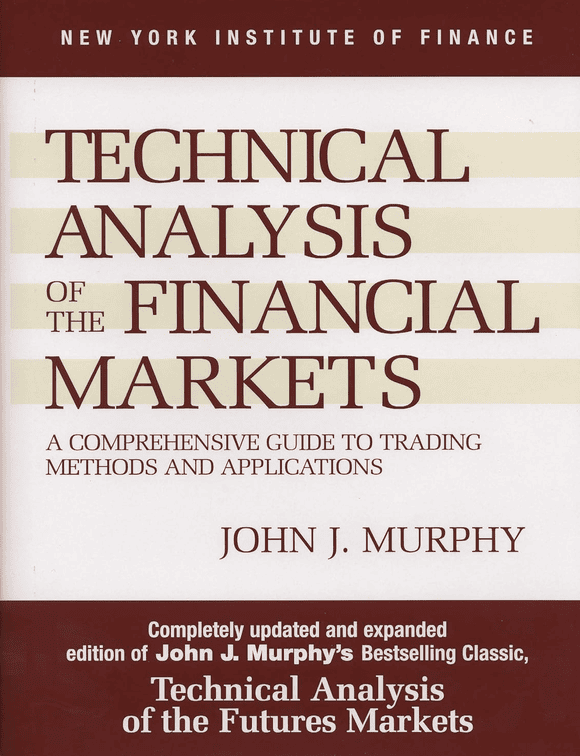
Learn the Fundamentals of Technical Analysis
John J. Murphy’s Technical Analysis of the Financial Markets covers charts, trends, indicators, candlesticks, intermarket relationships, and other core technical analysis concepts.
Price: $34.27–$35.50
View on Amazon →Quick Answer: How many millionaires are from day trading?
Nobody knows exactly how many day traders become millionaires, but plenty have achieved seven-figure success. For example, Timothy Sykes has reported approximately $8 million in cumulative trading profits, while Warrior Trading founder Ross Cameron has reported more than $18.8 million. However, these traders are exceptions rather than the rule. Research suggests that fewer than 1% of day traders consistently generate positive abnormal returns after fees, while a Brazilian study found that 97% of persistent day traders lost money. Although these studies don’t reveal how many traders eventually become millionaires, they demonstrate just how difficult consistent profitability can be. Still, with the right education, a proven trading strategy, disciplined risk management, and enough time to compound returns, becoming a millionaire through day trading is possible, even if it’s statistically uncommon.
📊 Key Statistics: How Many Day Traders Become Millionaires?
- 97% of persistent day traders lose money: A study of Brazilian futures traders found that 97% of those who traded for more than 300 days lost money.
- $1 million: The wealth milestone aspiring millionaire day traders hope to achieve, although no reliable statistics reveal how many actually reach it.
- 199 trading setups: Paper Trading Journal analyzed 199 post-earnings momentum setups to investigate recurring stock price behaviour.
- 67.8% continuation rate: In PTJ’s research, 67.8% of setups experienced at least another 5% price movement in their original earnings direction during the following session.
- 2 technical analysis timeframes: PTJ’s strategy examines hourly and four-hour charts to identify potential breakouts, breakdowns, and momentum trading opportunities.
- 15% catastrophic stop-loss: PTJ’s research strategy incorporates a 15% maximum-loss threshold alongside other exit rules to study trading risk.
Bottom Line: Becoming a millionaire through day trading is possible, but success requires more than technical analysis alone. Trading education, statistical research, risk management, and a repeatable strategy are essential foundations. Historical results do not guarantee future profits.
Learn the Fundamentals of Technical Analysis
John J. Murphy’s Technical Analysis of the Financial Markets covers charts, trends, indicators, candlesticks, intermarket relationships, and other core technical analysis concepts.
Price: $34.27–$35.50
View on Amazon →Who Are the Most Famous Millionaire Day Traders?
You’ve probably heard of Timothy Sykes and Ross Cameron of Warrior Trading, two well-known trading personalities who have built substantial fortunes through trading and related businesses.
Cameron, for example, has published independently reviewed trading results documenting millions of dollars in cumulative trading profits.
But these traders represent only a tiny fraction of the professional trading community.
There are also legendary Wall Street figures such as Ray Dalio, Warren Buffett, Charlie Munger, and Jim Cramer.
Although these individuals are often mentioned in conversations about stock market millionaires and billionaires, there’s an important distinction. Buffett and Munger built their fortunes primarily through long-term investing, while Dalio became famous for global macro investing.
Nevertheless, their success demonstrates that financial markets offer numerous paths toward substantial wealth.
And then there are the traders you’ve never heard of.
What About the Millionaire Day Traders Nobody Knows?
Imagine somebody who spends several years studying financial markets, developing a profitable trading strategy, and gradually building their account.
They start making relatively small profits. Eventually, their consistency improves, their account grows, and they begin trading larger positions.
Over many years, they reinvest their profits, compound their returns, and potentially accumulate millions of dollars.
They never create a YouTube channel, launch a trading course, or become famous on social media.
These traders may exist in considerable numbers, but there’s no reliable public database identifying how many have become millionaires specifically through day trading.
Consequently, any website claiming to know the exact percentage of day traders who become millionaires should be treated with skepticism.
Can Anyone Become a Millionaire Day Trading?
In principle, virtually anybody with sufficient capital, education, discipline, and access to financial markets can pursue becoming a millionaire through day trading.
However, being possible doesn’t make it probable.
A frequently cited study of Brazilian futures traders found that 97% of participants who persisted for more than 300 days lost money.
That’s a sobering statistic, particularly for beginners expecting day trading to produce quick and easy wealth.
So, what separates the successful traders from everyone else?
I believe one of the most important differences is education, particularly learning how to develop, test, and consistently execute a trading strategy.
But education alone isn’t enough. Successful traders also need effective risk management, sufficient capital, emotional discipline, and a measurable trading edge.
Why Paper Trading Journal Focuses on Trading Education
At Paper Trading Journal (PTJ), our mission isn’t to convince readers to blindly follow our day trading strategy.
Instead, we want to teach you how to develop your own trading strategy.
Our educational resources include:
- Real-world stock market case studies.
- Original trading statistics and research.
- Trading psychology and risk management articles.
- Technical and fundamental analysis.
- Trading book reviews and educational resources.
Our philosophy is simple: understanding why a strategy might work is considerably more valuable than copying somebody else’s trades.
That’s why we regularly examine both winning and losing setups, document our observations, and explain the reasoning behind our trading decisions.
How Our Post-Earnings Momentum Strategy Works
At PTJ, our primary research focuses on post-earnings momentum trading, particularly stocks experiencing significant price movements following quarterly earnings announcements.
Rather than predicting earnings results, we study how stock prices behave after the information becomes public.
Our strategy generally involves identifying:
- A significant initial price reaction following earnings.
- Strong trading volume and identifiable fundamental catalysts.
- Breakouts or breakdowns across hourly and four-hour charts.
- Potential entries near the close of the first hourly earnings candle.
- Defined profit targets, stop losses, and exit rules.
For example, our research into 199 post-earnings momentum setups found that 67.8% moved at least another 5% in their original earnings direction during the following trading session.
That doesn’t mean those moves were all profitable trades. Transaction costs, entries, exits, and adverse price movements still matter.
However, research like this helps us identify recurring market behaviour and develop testable strategies rather than relying on predictions.
Final Thoughts: Becoming a Millionaire Day Trader
So, how many day traders become millionaires?
We simply don’t know.
There are famous millionaire traders, wealthy institutional professionals, and potentially countless independent traders who have quietly accumulated substantial wealth.
But one thing is certain: becoming a millionaire through day trading is extraordinarily difficult, and most people who attempt it will never achieve that goal.
For aspiring traders, the most productive starting point isn’t trying to make a million dollars.
It’s learning how to consistently manage risk, develop a measurable trading edge, and protect your capital while building your experience.
That’s precisely what we’re working toward at Paper Trading Journal, one trade, one case study, and one research article at a time.


Leave a Reply