

TL;DR: Oklo (NYSE: OKLO) reported mixed Q3 2026 earnings, beating analyst EPS expectations but missing revenue estimates by 14.20%. Despite a modest +4.59% first-hour earnings candle and no confirmed technical breakouts, OKLO went on to produce a +14.76% maximum favorable excursion (MFE) and a +12.35% next-day closing gain. The key takeaway is the notable price-volume divergence ahead of earnings, as trading volume increased while OKLO shares declined more than 30%. This case study illustrates how volume can provide valuable context for post-earnings momentum traders, even when the initial technical setup is less than ideal.

Oklo Inc. (NYSE: OKLO) delivered an interesting post-earnings momentum (PEM) setup following its November 6, 2026, earnings announcement.
Despite a relatively modest +4.59% first-hour earnings candle, mixed financial results, and no confirmed technical breakouts, OKLO continued climbing during the following trading session, ultimately producing a +14.76% maximum favorable excursion (MFE) and a +12.35% next-day closing gain.
What makes this case study particularly interesting, however, is the price-volume divergence that developed ahead of earnings.
OKLO had lost more than 30% of its value in the preceding weeks, yet trading volume generally increased as its share price declined. This pattern offers a useful example of how volume can complement price action when evaluating potential momentum trades.
Oklo is an American advanced nuclear energy company developing compact, fast-fission power plants designed to provide reliable, clean electricity.
At the time of this case study, OKLO had an approximate market capitalization of $4.38 billion, with short interest representing approximately 21.90% of its float.
Learn the Fundamentals of Technical Analysis
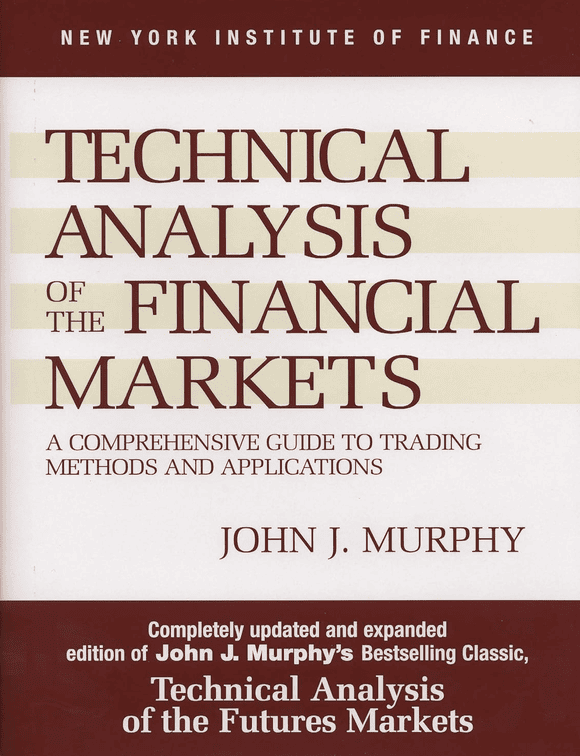
John J. Murphy’s Technical Analysis of the Financial Markets covers charts, trends, indicators, candlesticks, intermarket relationships, and other core technical analysis concepts.
Price: $34.27–$35.50
View on Amazon →OKLO Earnings Results & Fundamentals
Oklo reported its third-quarter 2026 financial results on November 6, 2026, before the market opened.
The company’s earnings announcement presented a mixed picture, with a smaller-than-expected quarterly loss but revenue falling below analysts’ expectations.
Although the company exceeded earnings expectations, it remained unprofitable, and the relatively small earnings beat did not necessarily suggest a meaningful improvement in its financial position.
Revenue, on the other hand, was considerably less encouraging.
Oklo reported quarterly revenue of $1.86 million, compared with analysts’ expectations of approximately $2.17 million. This represented a 14.20% revenue miss, indicating that the company generated substantially less revenue than anticipated.
Furthermore, Oklo did not provide conventional forward earnings or revenue guidance in the reported results, leaving investors without a clear financial outlook to reinforce either a bullish or bearish interpretation.
From a fundamental perspective, this was not an especially compelling earnings report. EPS exceeded expectations, but revenue disappointed, and the absence of formal guidance offered little additional clarity.
Nevertheless, the market’s initial reaction was positive, creating a potential bullish post-earnings momentum setup.
OKLO Technical Analysis & PEM Setup
OKLO’s initial post-earnings price action was relatively modest compared with some of the stronger momentum setups we’ve recorded. But it still turned out to be a strong catalyst for a bullish trade.
Following the earnings announcement, OKLO formed a +4.59% first-hour earnings candle. Here’s what 1-hour earnings candle looked like on the 1-hour price chart.

The candle also featured a pronounced upper wick, with a top-wick retracement of approximately 4.81%. This indicated that buyers had initially pushed the stock considerably higher before sellers forced prices back down ahead of the hourly close.
On another note, OKLO failed to establish a confirmed breakout on the hourly, four-hour, or daily timeframes.
In other words, this was NOT a textbook PEM setup.
The initial momentum was relatively weak, the upper wick suggested some selling pressure, and there was no confirmed technical breakout to reinforce the bullish move.
However, one important indicator stood out: trading volume.
In the roughly two weeks preceding its earnings announcement, OKLO had experienced a substantial decline, losing more than 30% of its value.
Interestingly, as the share price continued falling, trading volume generally increased. This created a notable price-volume divergence, where declining prices were accompanied by increasingly active trading.
That’s NOT to say that rising volume always equals increasing share prices.
Nevertheless, such patterns can offer useful insight into market participation and can indicate something meaningful is happening beneath the surface of price action.
In OKLO’ case, despite the relatively weak +4.59% earnings candle and lack of confirmed technical breakouts, this setup ultimately delivered a strong bullish continuation.
From the close of the first-hour earnings candle, the stock produced a +14.76% MFE during the next trading session, while experiencing a −7.03% maximum adverse excursion (MAE).

Now, had a trader gotten long at the close of the earnings candle, and held until the end-of-day, the result would have been a +12.35% theoretical return at the stock’s closing price.
The outcome also reinforces an important principle of post-earnings momentum trading:
A stock does not necessarily require a massive initial earnings candle or a confirmed technical breakout to produce a substantial continuation move.
In fact, we’ve documented dozens of imperfect setups that still went on to produce average MFEs of between 8-12%.
Learn the Fundamentals of Technical Analysis
John J. Murphy’s Technical Analysis of the Financial Markets covers charts, trends, indicators, candlesticks, intermarket relationships, and other core technical analysis concepts.
Price: $34.27–$35.50
View on Amazon →Conclusion – OKLO Case Study
OKLO’s November 2026 earnings reaction illustrates how a relatively modest initial momentum move can develop into a substantial next-day rally.
But perhaps the most valuable lesson from this setup concerns volume.
Increasing trading activity during OKLO’s pre-earnings decline, followed by unusually strong volume during its initial bullish earnings reaction, offered additional context about market participation.
Volume does not reliably predict price direction, but it can help traders better understand the participation and conviction behind a stock’s movements.
For PEM traders, OKLO demonstrates the potential value of examining volume alongside the initial earnings candle without treating either indicator as a guarantee of future price movement.
If you want to go deeper:
- Explore the Trading Statistics Hub to understand how different sectors behave across market cycles
- Study real setups inside the Trade Reviews section
- Learn the framework behind high-probability setups in the Post-Earnings Momentum Strategy
This is how you turn raw market data into repeatable trading edge.


OKLO Frequently Asked Questions
Is OKLO still a good stock to buy?
Oklo’s investment outlook depends heavily on its future growth and ability to commercialize its nuclear energy technology. In Q3 2026, the company reported revenue of $1.86 million, missing expectations by 14.2%, while its reported loss of $0.28 per share beat the consensus estimate. With a market capitalization of approximately $4.38 billion and continuing losses, traditional profitability measures remain challenging. Investors must weigh Oklo’s long-term growth potential against its current financial performance, valuation, and execution risks.
What’s happening to OKLO stock?
OKLO has experienced significant volatility, including a decline of more than 30% in the weeks preceding its November 2026 earnings announcement. Despite mixed quarterly results, the stock rallied 4.59% during its first post-earnings hour and subsequently gained 12.35% from that hourly close to the next trading day’s close. Increasing trading volume during the preceding decline and strong participation following earnings suggest heightened investor activity, although neither guarantees a sustained trend.
Is OKLO a millionaire maker stock?
Oklo operates in the advanced nuclear energy industry, which could benefit from growing electricity demand associated with AI infrastructure and data centers. However, its relatively small revenue base, ongoing losses, and multibillion-dollar valuation mean substantial future growth is already an important part of the investment thesis. Whether OKLO could generate extraordinary long-term returns depends on successful commercialization, revenue growth, profitability, and the price investors pay for its shares.
What is the target price for OKLO?
Predicting OKLO’s future share price with any reasonable certainty is extremely difficult. Analyst price targets rely on assumptions about future revenue, profitability, commercialization timelines, and valuation multiples, all of which can change. Rather than attempting to predict long-term price targets, Paper Trading Journal’s Post-Earnings Momentum (PEM) framework focuses on measurable short-term price action following earnings announcements. The objective is to study momentum, volatility, and historical trade outcomes rather than forecast where a stock will trade months or years into the future.


Leave a Reply