

How day traders pay themselves, structure trading businesses, and manage taxes in Canada and the United States. Discover how a trader with $100,000 in capital earning 2% monthly could generate $24,000 annually before expenses, why $3,500 in eligible business deductions could save approximately $1,050 in taxes, and the 6 essential components of a trading business plan. We’ll also explore sole proprietorships, corporations, LLCs, and strategies for turning trading profits into sustainable personal income.

Unlike traditional employees, day traders don’t receive guaranteed paychecks. Instead, they generate income through trading profits, which they can withdraw from their brokerage accounts to cover personal expenses.
However, how day traders pay themselves depends on whether they trade independently, operate as sole proprietors, or establish a business corporations.
Each structure carries different financial and tax obligations.
In this guide, we’ll explore the business side of day trading, including sole proprietorships, corporations, and LLCs, alongside tax obligations in Canada and the United States.
We’ll also explain how to develop a trading business plan, establish a compensation structure, and manage operating expenses.
Whether you’re trading part-time or hoping to make trading your full-time career, understanding these fundamentals is essential to building a sustainable trading business.

Learn the essentials of business planning, finances, taxes, and running your own business.
As an Amazon Associate, we earn from qualifying purchases. Prices may vary.
How Much Do Day Traders Make?
Day trading income varies considerably depending on starting capital, trading strategy, risk management, experience, and market conditions.
While some professional traders generate substantial annual profits, many beginners struggle to achieve consistent profitability, and some even lose their entire trading capital (many times).
Unlike traditional employment, day trading offers no guaranteed salary, benefits, or predictable monthly income.
For example, a trader operating with $25,000 in capital who generates an average monthly return of 2% would earn approximately $500 per month, or $6,000 annually before taxes and expenses, assuming a constant account balance.
A trader managing $100,000 who achieves the same return would generate approximately $2,000 monthly, or $24,000 annually. However, consistently generating 2% monthly returns is challenging, and actual results can fluctuate significantly between profitable and unprofitable months.
Importantly, trading profitability doesn’t necessarily translate into sustainable personal income.
Traders must account for brokerage commissions, software subscriptions, market data fees, taxes, and potential drawdowns. Withdrawing too much money can also reduce the capital available to generate future profits.
Consequently, professional traders often maintain emergency savings, establish withdrawal schedules, and retain a portion of their earnings to protect their trading businesses during inevitable losing periods.

Learn how to start, run, and grow your first LLC, from business formation and legal requirements to finances and daily operations.
View on Amazon →As an Amazon Associate, we earn from qualifying purchases.
Do Day Traders Withdraw Their Profits?
Most independent day traders simply transfer money from their brokerage accounts into personal bank accounts.
For example, a trader generating $8,000 in monthly profits might withdraw $3,000 for living expenses, reserve $2,000 for taxes, and leave $3,000 in their trading account.
Importantly, withdrawals aren’t necessarily taxable events themselves. Tax obligations generally arise from realized trading gains or business income, regardless of whether profits are withdrawn.
Ready to Start Your Trading Business?
Learn how to structure and manage your business with these beginner-friendly guides.

Learn how to start and operate a sole proprietorship, manage your finances, and understand your tax responsibilities.
Explore Sole Proprietorship Guide →
Discover how to establish an LLC, understand its legal structure, and manage its ongoing financial and administrative obligations.
Explore LLC Guide →As an Amazon Associate, we earn from qualifying purchases.
Writing a Day Trading Business Plan
Anyone considering day trading as a primary income source should develop a comprehensive business plan.
Unlike casual investing, professional day trading requires a structured approach to generating revenue, controlling expenses, and managing financial uncertainty.
Build Your Day Trading Business Plan
A successful trading business starts with a documented plan. Make sure yours covers these six essential components:
- ✓ Trading Strategy: Rules for entries, exits, position sizing, and risk management.
- ✓ Starting Capital: Available trading funds and minimum capital requirements.
- ✓ Financial Projections: Realistic expectations supported by backtesting and recorded performance.
- ✓ Operating Expenses: Brokerage fees, market data, software, equipment, and accounting costs.
- ✓ Compensation Structure: How often profits are withdrawn and how much capital stays invested.
- ✓ Risk Management: Drawdown limits, daily loss limits, and contingency plans.
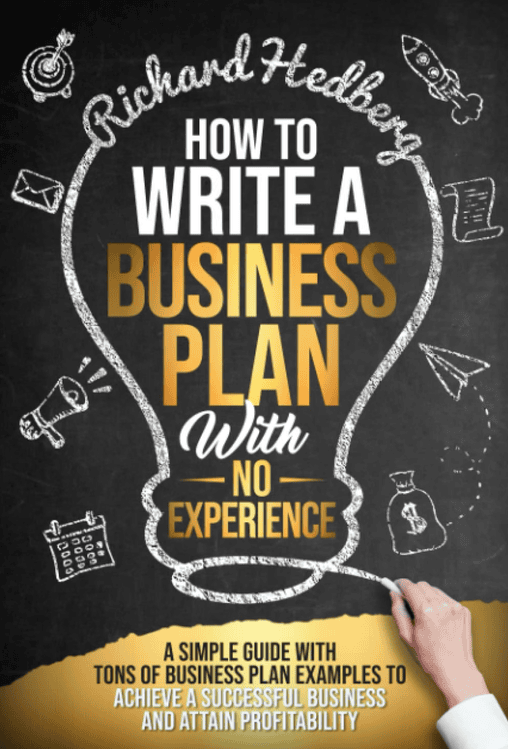
Take your trading business beyond a strategy. Learn how to create a structured business plan, develop financial projections, and set realistic business goals.
View Business Plan Guide on Amazon →As an Amazon Associate, we earn from qualifying purchases.
Importantly, a trading strategy should be documented, tested, and repeatable before becoming the foundation of a trading business.
Profit projections should account for losing trades, transaction costs, and changing market conditions.
How Do Day Traders Pay Taxes in Canada?
The Canada Revenue Agency (CRA) distinguishes between investment capital gains and business income.
Frequent trading conducted commercially may qualify as business income, making 100% of net trading profits taxable at applicable personal income tax rates for individual traders.
Conversely, eligible capital gains receive different tax treatment, with only the applicable taxable portion included in income.
The CRA considers factors including trading frequency, holding periods, market knowledge, and commercial intentions.
Canadian corporations file separate corporate tax returns. Owners receiving salaries or dividends also have personal tax obligations.

Take control of your business taxes. Learn about eligible deductions, recordkeeping, tax planning, and managing your small business finances with confidence.
View on Amazon →As an Amazon Associate, we earn from qualifying purchases.
How Do Day Traders Pay Taxes in the United States?
In the United States, most individual stock traders report realized trading gains and losses as capital transactions.
Stocks held for one year or less generally generate short-term capital gains, taxed at ordinary federal income tax rates.
Qualifying active traders may receive Trader Tax Status (TTS), allowing deductions for eligible trading-business expenses.
Certain qualifying traders can also elect Section 475(f) mark-to-market accounting, treating trading gains and losses as ordinary income or losses.
Trading profits generally aren’t subject to self-employment tax simply because someone qualifies as a trader.
Corporations face separate tax requirements depending on their structure.
Learn the essentials of business planning, finances, taxes, and running your own business.
As an Amazon Associate, we earn from qualifying purchases. Prices may vary.
Can I Write Off Expenses as a Day Trader?
Yes, day traders who qualify as operating a trading business may deduct eligible business expenses from their taxable income.
For example, a trader spending $100 monthly on market data, $150 on trading software, and $500 annually on accounting services would accumulate $3,500 in potential annual business deductions.
At a hypothetical 30% marginal tax rate, fully deductible expenses could reduce their income tax bill by approximately $1,050.
However, tax deductions depend on your country and whether your trading activities qualify as a business.
In Canada, traders whose activities constitute business income may deduct reasonable expenses incurred to earn that income. In the United States, traders qualifying for Trader Tax Status (TTS) may deduct eligible trading-business expenses, while ordinary investors face different restrictions.
Importantly, a $1,000 tax deduction doesn’t mean receiving $1,000 back from the government. It reduces taxable income, potentially saving approximately $300 at a 30% marginal tax rate.
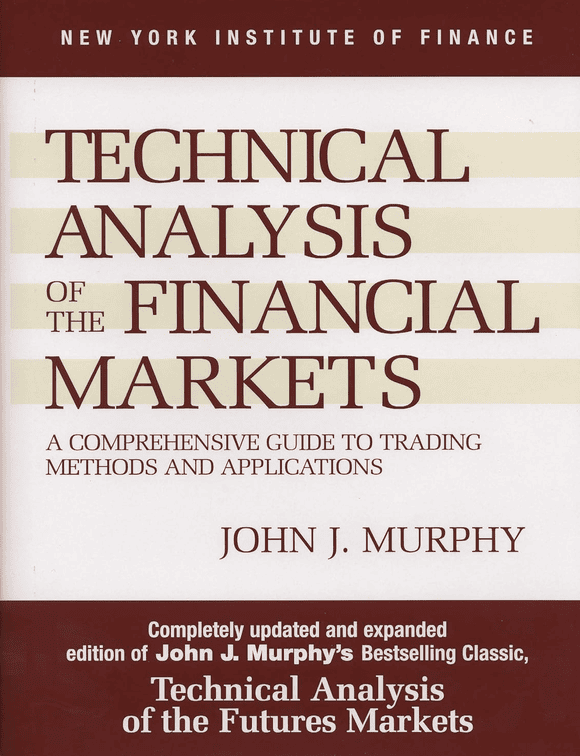
Learn the Fundamentals of Technical Analysis
John J. Murphy’s Technical Analysis of the Financial Markets covers charts, trends, indicators, candlesticks, intermarket relationships, and other core technical analysis concepts.
Price: $34.27–$35.50
View on Amazon →Conclusion: Treat Day Trading Like a Business
Profitable day trading requires more than identifying promising setups. It demands a tested strategy, disciplined execution, financial planning, and appropriate tax management.
Whether operating independently or through a corporation, traders should establish clear rules for paying themselves while preserving sufficient capital to continue trading.
After all, consistently generating trading profits and building a sustainable business around those profits are two different challenges.
Disclaimer: This article provides general educational information and does not constitute tax or financial advice. Consult a qualified tax professional regarding your circumstances.
If you want to go deeper:
- Explore the Trading Statistics Hub to understand how different sectors behave across market cycles
- Study real setups inside the Trade Reviews section
- Learn the framework behind high-probability setups in the Post-Earnings Momentum Strategy
This is how you turn raw market data into repeatable trading edge.


Frequently Asked Questions (FAQ)
Do day traders pay themselves a salary?
Most independent day traders don’t receive traditional salaries. Instead, they withdraw trading profits from their brokerage accounts to cover personal expenses. However, traders operating through corporations may pay themselves formal salaries or dividends, depending on their business structure and jurisdiction.
How much money do you need to become a full-time day trader?
The amount depends on living expenses, trading performance, and risk tolerance. For example, generating $40,000 annually from $100,000 in trading capital requires a 40% annual return before taxes and expenses. In the United States, pattern day trading rules can also impose minimum equity requirements on certain margin accounts.
Do day traders pay taxes on every trade?
Generally, day traders pay taxes based on their net taxable trading results rather than paying taxes separately after each profitable transaction. However, individual transactions must still be recorded, and applicable loss restrictions can affect taxable income. Tax treatment differs between Canada and the United States.
Can day traders write off business expenses?
Potentially. Traders who qualify as operating a trading business may deduct eligible expenses, including market data subscriptions, trading software, accounting services, and certain office expenses. However, eligibility depends on the trader’s tax classification, jurisdiction, and the nature of each expense.
Should day traders open an LLC or corporation?
Not necessarily. Many traders operate successfully without incorporating. Establishing an LLC in the United States or a corporation in Canada can introduce additional administrative costs and tax obligations. Traders should evaluate their income, business activities, and financial objectives with a qualified accountant before incorporating.
Can you make a living day trading?
Yes, but consistently earning enough to cover living expenses is challenging. Trading income fluctuates, losses are inevitable, and many individual traders fail to achieve long-term profitability. Developing a historically tested trading strategy, maintaining adequate capital, and establishing realistic withdrawal expectations are essential considerations.
Do day traders need a business plan?
Although a formal business plan isn’t generally required to trade independently, creating one can help establish a sustainable operation. A comprehensive trading business plan should document the trading strategy, starting capital, entry and exit rules, risk management procedures, expected expenses, tax considerations, and profit withdrawal policies.
How often should day traders withdraw profits?
There is no universal withdrawal schedule. Some traders withdraw profits monthly to simulate a regular paycheck, while others make quarterly withdrawals or reinvest their earnings. The appropriate schedule depends on profitability, personal financial obligations, available capital, and the need to maintain sufficient funds for future trades.


Leave a Reply