

POET Technologies (NASDAQ: POET) plunged 6.60% following mixed Q3 2026 earnings, setting up a promising bearish trade. But instead of continuing lower, the stock went practically nowhere, leaving our Post-Earnings Momentum (PEM) strategy with a -1.12% loss. The kicker? Just four trading days later, POET was down 23.5% from our original short entry. Sometimes the setup is right, but the timing isn’t.

Not every promising post-earnings trading setup produces a big winner. Sometimes, even when the odds appear to be in your favour, a stock simply refuses to cooperate.
That’s precisely what happened with POET Technologies (POET) following its November 16, 2026, earnings announcement.
POET Technologies is a Toronto-based semiconductor technology company developing optical engines, light sources, and photonic integration solutions for artificial intelligence (AI) infrastructure and hyperscale data centers.
At the time of this analysis, the company had a market capitalization of approximately $796.76 million, with a relatively high 25.53% short float.
Following a mixed earnings announcement, POET shares plunged 6.60% in a single hour, presenting what appeared to be a worthwhile bearish opportunity for our Post-Earnings Momentum (PEM) trading strategy.
Unfortunately, the setup delivered virtually nothing during our next-day holding period. But that’s exactly where things get interesting:
Just four trading days later, POET had fallen 23.5% below our original short entry price.
The setup wasn’t wrong. Our strategy’s timeframe just didn’t give the setup enough time to play itself out. Which is absolutely fine, and simply illustrates the very real and well-documented phenomenon of post-earnings announcement drift.
Let’s examine what happened, why the initial trade failed, and what this case study reveals about post-earnings announcement drift.

Discover 37 ideas for navigating market downturns, protecting your portfolio, and finding new opportunities.
Check Price on Amazon →POET Earnings Results & Fundamentals
On November 16, 2026, POET Technologies reported its third-quarter financial results, delivering a mixed performance against Wall Street’s expectations.
Q3 2026 Earnings Results
Reported November 16, 2026
Although revenue missed expectations considerably, POET recorded its seventh consecutive quarter of sequential revenue growth. The company’s narrowing losses also suggested improving financial performance.
However, the outlook was somewhat complicated.
Management highlighted plans to expand wafer production capacity approximately tenfold in 2027, while increasing optical engine assembly capacity to accommodate anticipated demand.
On the surface, the company’s outlook was objectively rosy. However, POET did not provide specific forward EPS or revenue guidance, instead focusing on production capacity, customer programs, and anticipated shipment schedules.
That’s not bad. But it’s not necessarily what investors want to hear to decide whether the company is worth buying or selling in the short-term.
Overall, this presented conflicting signals. POET has been growing rapidly and narrowing its losses, but its substantial revenue miss and production delays raise questions about near-term execution.
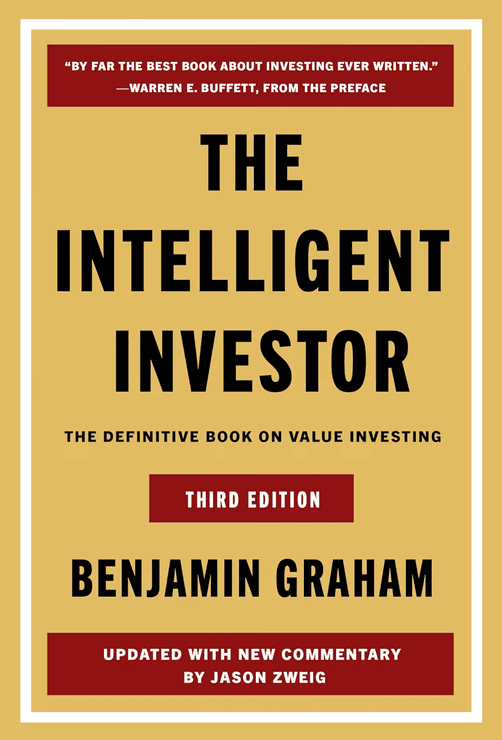
Benjamin Graham & Jason Zweig
$13.94 Listed pricePOET Technical Analysis & PEM Outcome
Despite the mixed fundamentals, POET’s initial price action suggested that sellers were taking control and pushing the stock lower.
Following the earnings announcement on November 16, the stock declined 6.60% during the first hourly trading candle, which is a relatively large downside move.

That 1-hour candle featured relatively small upper and lower wick retracements of approximately 1.50% and 1.06%, respectively. These modest wicks suggested that neither buyers nor sellers had managed a particularly substantial reversal during the opening hour.
However, the technical setup wasn’t perfect. POET failed to establish a confirmed breakout on the hourly, four-hour, or daily timeframes.
Furthermore, its earnings report offered mixed fundamental support for the bearish move. The report wasn’t entirely bad, but due to the large revenue miss, it wasn’t all that good either.

Nevertheless, the combination of a meaningful first-hour decline, modest wick retracements, and substantial revenue miss made this a reasonable bearish PEM setup worth taking.
Our ideal short entry was established at the close of the first hourly earnings candle, with the intention of exiting at the following regular trading session’s close.
But then… practically nothing happened.
Unlike many of the significant winners we typically highlight in our case studies, POET spent much of the following session fluctuating around our entry price.

There was no convincing continuation lower. No substantial selling momentum. No impressive intraday profit opportunity. The results were, needless to say, a little bit underwhelming:
Post-Earnings Momentum Trading Results
Bearish setup | November 16, 2026
Despite a promising -6.60% first-hour decline, POET failed to deliver meaningful bearish continuation during our holding period, closing with a -1.12% loss.
The stock did briefly move about 1.87% in our favour before ultimately finishing the next session with a 1.12% loss relative to our short entry.
In other words, our bearish trade failed to produce meaningful follow-through within the timeframe our strategy was designed to capture.
And that’s perfectly fine.
Not every trading setup works, even when the initial conditions appear favourable.
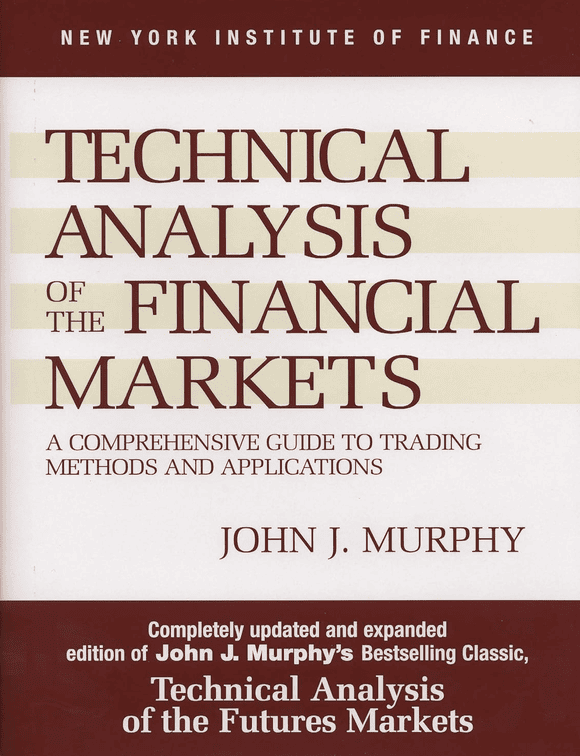
Learn the Fundamentals of Technical Analysis
John J. Murphy’s Technical Analysis of the Financial Markets covers charts, trends, indicators, candlesticks, intermarket relationships, and other core technical analysis concepts.
Price: $34.27–$35.50
View on Amazon →The Plot Twist: POET Falls -23.5% Four Days Later
Although POET disappointed as a next-day momentum trade, the subsequent price action told a dramatically different story.
Over the following four trading days, the stock continued declining, eventually trading –23.5% below our original short entry price.
That’s a substantial move!

The delayed decline illustrates the potential effects of post-earnings announcement drift (PEAD), a phenomenon in which stock prices continue moving in the direction of their initial earnings reaction over subsequent trading sessions or weeks.
Rather than immediately continuing its bearish momentum, POET initially consolidated before eventually resuming its downward trajectory.
In the end, this POET case study simply demonstrates how a setup that fails within a short trading window can ultimately develop into a much larger directional move days or weeks later.

Option Volatility and Pricing
A comprehensive guide to options pricing, volatility, trading strategies, and risk management. An excellent resource for traders looking to understand market volatility beyond simply predicting stock direction.
Check Price on Amazon →Affiliate disclosure: We may earn a commission from qualifying purchases at no additional cost to you.
Conclusion
POET Technologies wasn’t a spectacular winner. In fact, it was a relatively uneventful losing trade.
Yet the subsequent -23.5% decline raises an interesting question:
Should traders consider extending their holding periods when a promising setup fails to deliver immediate momentum?
Possibly. Maybe yes. Maybe no. Holding longer can sometimes capture substantial post-earnings drift, provided the position survives adverse price movements.
However, longer holding periods also introduce additional uncertainty, overnight exposure, and opportunities for unexpected reversals, all of which can make swing trading more psychologically challenging.
Our PEM strategy deliberately avoids that uncertainty by exiting at the following regular session’s close, unless our catastrophic 15% stop-loss is triggered first.
So, rather than chasing the eventual 23.5% decline, we accept our 1.12% loss, close the trade, and move on to the next opportunity.
Because sometimes successful trading isn’t about catching the biggest move. It’s about consistently following the strategy you’ve actually tested.
If you want to go deeper:
- Explore the Trading Statistics Hub to understand how different sectors behave across market cycles
- Study real setups inside the Trade Reviews section
- Learn the framework behind high-probability setups in the Post-Earnings Momentum Strategy
This is how you turn raw market data into repeatable trading edge.


POET Case Study – Frequently Asked Questions
Is POET a good stock buy?
POET Technologies operates in the growing AI and optical networking markets, but its mixed Q3 2026 earnings highlight potential risks. Despite beating EPS estimates, the company missed revenue expectations by 35.90%, while its stock experienced significant selling pressure following the announcement.
What does POET stock do?
POET Technologies (NASDAQ: POET) develops optical engines, light sources, and photonic integration solutions used in high-speed data transmission. Its technology targets artificial intelligence infrastructure, hyperscale data centers, and advanced optical networking applications.
What’s happening with POET stock?
POET shares declined 6.60% during the first trading hour following its November 16, 2026, earnings announcement. Although the stock traded relatively sideways during the following session, it subsequently continued falling, reaching 23.5% below our original short entry price just four trading days later.
Why did POET stock crash?
POET’s post-earnings selloff followed a mixed Q3 2026 report featuring a 35.90% revenue miss, despite better-than-expected EPS. Production delays and uncertainty surrounding future shipments may have contributed to bearish sentiment. The subsequent decline also illustrated potential post-earnings announcement drift (PEAD), although the precise causes of the selloff cannot be established from price action alone.


Leave a Reply